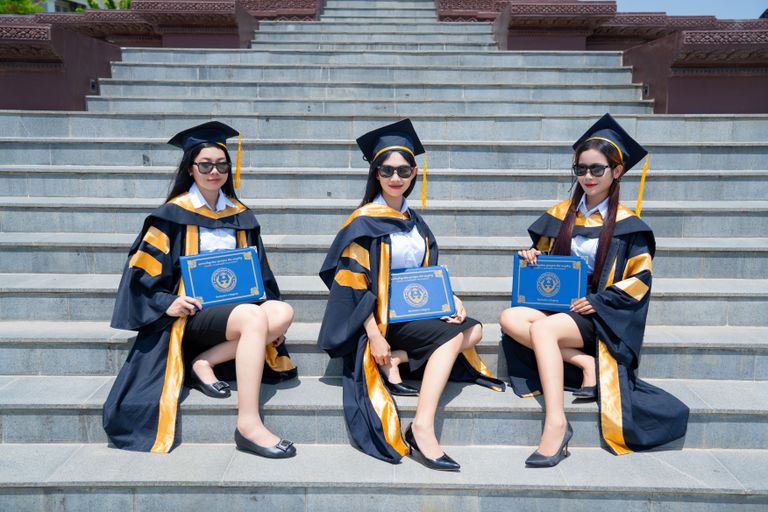
Career Education: 10 Proven Strategies for Success
“career education”
. The increasing influence of technology on various industries requires a re-evaluation of educational curriculums and professional training methods. This discourse aims to outline how we may adapt and thrive amid these changes, while ensuring that human connection remains paramount in an age dominated by artificial intelligence.
The eolution of career education involves an intricate relationship between traditional learning methods and the emergence of advanced technologies, especially AI. In this unique landscape, it is paramount for educators, students, and industry leaders to comprehend the seismic shifts ushered in by artificial intelligence. Career education has historically been about imparting specific skills and knowledge; however, today, it must embrace adaptability, interdisciplinary approaches, and practical applications
In the age of AI, students must not only be equipped with technical skills but also soft skills that are irreplaceable by machines. Emotional intelligence, critical thinking, and creativity have become vital compass points in charting successful career paths. Educational institutions must rise to the occasion by designing curriculums that reflect this broader, more holistic approach to learning.
Moreover, as we navigate these evolving paradigms of education, it becomes essential to encourage lifelong learning. The workplace of tomorrow may require continual re-skilling and up-skilling in response to rapid technological advancements. Thus, career education must champion a culture of adaptability and continual growth.Career Education HubS
The Role of AI in Modern Career Education
Artificial intelligence has begun to permeate various sectors, influencing the very fabric of career education.
It can personalize learning experiences for students by analyzing their strengths, weaknesses, and preferences. This tailored approach can significantly enhance engagement and efficacy in the learning process. AI can provide adaptive learning platforms that adjust the content and pace according to individual learning styles.
For instance, students who excel in certain subjects can be given advanced materials while others who may need more support can receive additional resources. This level of customization allows learners to optimize their educational journey, ultimately leading to better career readiness.
Furthermore, AI-powered assessment tools can provide immediate feedback, enabling students to understand their progress and areas for improvement in real-time. This assessment capability can be instrumental in preparing students for the types of evaluations they might encounter in their future careers. The immediate nature of such feedback sets the stage for an effective learning loop, allowing learners to actively engage and apply knowledge
Blending Human Skills with Technological Advancements
While AI offers numerous advantages, there remains a profound need for human interaction in the learning process. Human skills like empathy, collaboration, and communication can never be fully replaced by machines. As students prepare for careers in an increasingly automated world, they must also develop these interpersonal skills to succeed.
This human-centric approach can be incorporated into the curriculum by fostering collaborative projects, group discussions, and peer mentoring. These activities nurture social skills and emotional intelligence while also promoting networking and relationship-building, which are essential for success in any profession.
Moreover, institutions need to encouragethe cultivation of soft skills through dedicated programs that bridge the gap between technology and human interaction. Workshops and seminars on public speaking, negotiation, and conflict resolution can lay the groundwork for building resilient professionals who can thrive alongside AI.
Equipping students with the ability to communicate effectively with colleagues, stakeholders, and clients enhances their employability. Employers increasingly seek individuals who can not only execute tasks but also articulate ideas, collaborate effectively, and empathize with others. In this way, a comprehensive curriculum that balances technical proficiency with emotional intelligence can prepare students to navigate complex workplace ecosystems.
Additionally, mentorship programs can be pivotal in instilling these human-centric skills in future leaders. Wisdom garnered from experienced mentors can provide invaluable insights into interpersonal dynamics within various career paths. These relationships can aid students in developing a well-rounded skill set that merges the technological proficiency brought by AI with the human touch that fosters workplace culture.
Preparing for the Future Job Market
As the shift towards automation and AI continues, understanding the future job market is crucial for students and educators alike. The emergence of new career paths, as well as the transformation of existing ones, necessitates a proactive approach within career education.
Education systems must remain vigilant in tracking industry trends to ensure that curricula remain relevant and robust. This includes a focus on digital literacy, programming, data analysis, and AI management. Students must leave educational institutions not just with knowledge but with practical experience in these rapidly evolving fields. Internships, project-based learning, and collaborations with industry leaders can facilitate this hands-on experience and give students a taste of real-world challenges.
Moreover, interdisciplinary studies can play a significant role in equipping students to tackle complex problems in novel ways. By encouraging the exploration of different fields—from business and technology to humanities and sciences—students can cultivate a comprehensive understanding of how various disciplines intersect and influence each other. This versatility makes graduates more adaptable and better prepared for a diverse range of wikipedia.org/wiki/Career_education
Lifelong Learning and Continuous Adaptation
For students embarking on their career journeys today, the notion of a linear professional path has largely become obsolete. Instead, a commitment to lifelong learning is essential. Career education must instill the understanding that learning does not halt upon graduation but rather evolves throughout a professional’s life.
This ethos can be embedded in educational institutions through the promotion of a growth mindset. Educational programs can include opportunities for continuous education and self-improvement, underscoring the importance of up-skilling as technology advances. Workshops, online courses, and professional development opportunities should be readily available to students, empowering them to pursue knowledge even after securing employment.
Moreover, schools can foster a sense of curiosity and adaptability by exposing students to a variety of industries and roles. This exposure helps cultivate resilience and prepares them for the unpredictability of the job market where roles may shift or become obsolete due to technological changes. Encouraging students to embrace change and seek new learning opportunities empowers them to take ownership of their career development.
In an era defined by rapid technological advancements, the call for effective career education has never been more relevant. By integrating AI technology with a human-centered approach, educational institutions can empower students to navigate challenges while remaining competitive in an ever-evolving landscape
Home
. Embracing a culture of lifelong learning and adaptability is essential for students to realize their full potential as they transition from educational settings into the workforce.
Conclusion
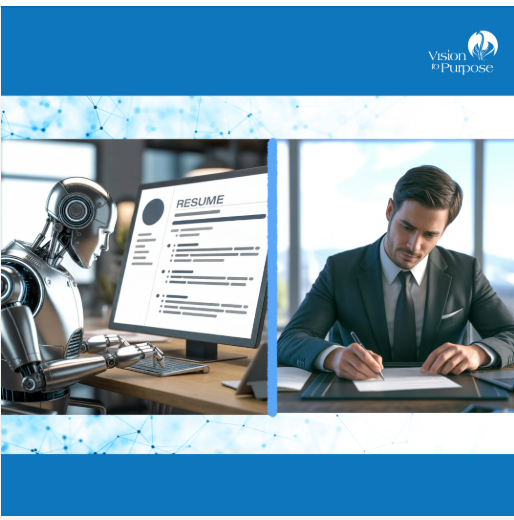
A professional man focused on his laptop, representing career education, online learning, and skill development.
In summary, the landscape of career education is shifting dramatically as technology, particularly AI, reshapes various industries. This transformation calls for cohesive approaches that blend technical aptitude with essential human skills, fostering emotional intelligence and adaptability. Career education must become a holistic endeavor, encouraging lifelong learning and cross-disciplinary exploration to equip students for future challenges in an uncertain job market. The integration of AI in education presents opportunities for personalized learning but also highlights the irreplaceable value of human interaction and interpersonal skills. By balancing these elements, we can prepare students for careers that thrive both in technology and humanity, ensuring that the workforce of tomorrow is well-equipped to navigate the complexities of the future https://en.wikipedia.org/wiki/Freelancer.